How to A/B Test YouTube Thumbnails Without Guessing

Written by SRGE
We build thumbnail workflows for creators and publish practical guidance based on the product work and sources cited in each article.
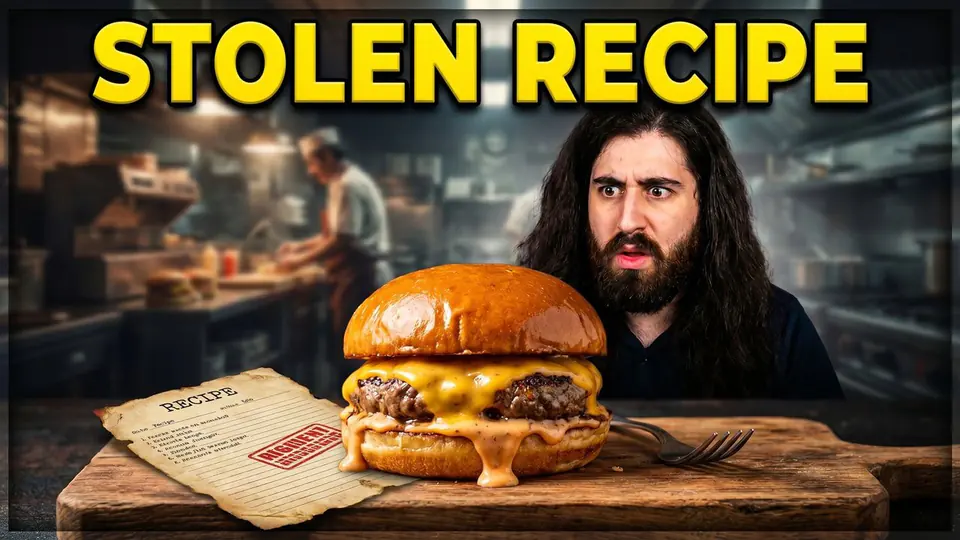
Changing three random details gives you three files, not a useful experiment. A thumbnail test becomes informative when every variation answers a specific question about how the video is packaged.
What YouTube actually tests
YouTube allows eligible creators to test and compare up to three different titles and thumbnails. According to YouTube Help, the winning title or title-and-thumbnail combination is selected using watch time, rather than click-through rate alone. That distinction matters: the best packaging should attract the right viewer and set an expectation the video fulfills.
Source checked on 27 May 2026: YouTube Help: A/B test titles and thumbnails.
Start with one test question
Before generating alternatives, write down what you are trying to learn. For a product review, the question might be whether viewers understand the verdict more quickly when the product is larger. For a build video, it might be whether the finished result is more compelling than the unfinished problem.
- Subject test: close-up result versus wider context.
- Premise test: problem shown visually versus outcome shown visually.
- Text test: no text versus a short phrase that adds meaning not already covered by the title.
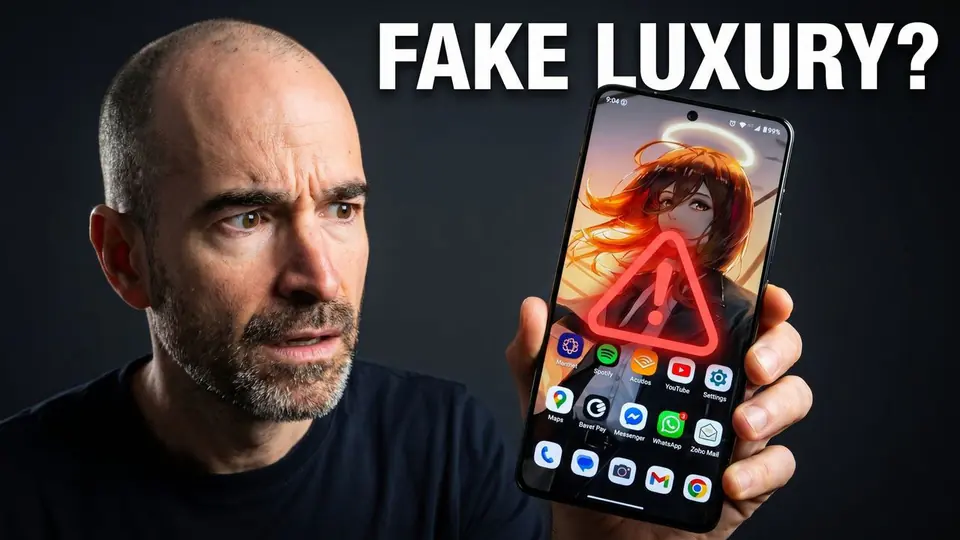
Keep variants honest and comparable
Each thumbnail should represent the same actual video. Testing a clear result against a clear question is useful; testing an honest image against an exaggerated claim only tells you how people react to a different promise. It may also attract viewers who leave disappointed.
Change one meaningful idea at a time where possible. If one version changes subject, wording, palette, expression and composition at once, even a winner will not tell you which decision helped.
How to read the outcome
A winner is evidence for that video and that audience, not a universal rule for the channel. Save what you tested, why you tested it, and what YouTube reported. After several uploads, repeated patterns are more useful than one dramatic result.
A test with no clear winner is still useful. It may mean the alternatives were too similar, or simply that both directions served viewers similarly. That is better information than assuming a visual trend will work everywhere.
Prepare the test in SRGE
- Write the honest promise of the video in one sentence.
- Choose one visual decision you want to test.
- Use SRGE to create distinct directions that keep that promise intact.
- Use the analyzer to catch basic readability issues, then make the actual decision with YouTube's viewer-based test.
Have an upload ready to package? Try SRGE to prepare a small set of testable thumbnail directions.
Keep reading